Blog
Céline Dostaler
What Counts as a Firearm Offence in Canada?
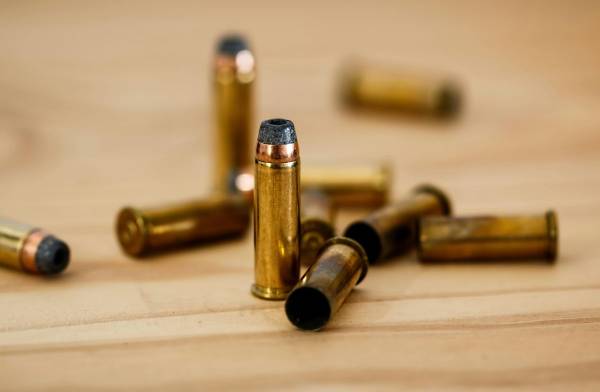
Firearm offences in Canada cover a broad spectrum—from accidental mistakes to violent crimes. Important to know: you don’t have to fire a gun to face charges. The Criminal Code of Canada and the Firearms Act establish rules about firearm possession, storage, use, and design.
In Ottawa and across Canada, misunderstanding these rules can lead to criminal charges, large fines, and even long prison terms. This guide explains:
- Main categories of firearm offences
- What qualifies as a prohibited device under Section 84
- Potential penalties and legal process
- Ottawa specific case examples
- The importance of intent
- How defences work
1. Main Categories of Firearm Offences
Canadian law takes a broad approach—firearm offences aren’t just about pulling a trigger. They include possession, handling, transportation, and even certain accessories.
A. Possession Offences
Possession is more than simply holding a gun. You can be charged if:
- You own a firearm without the proper licence or registration certificate
- You store a firearm in your home but your licence has expired
- You borrow a friend’s restricted handgun without authorization
- You have a restricted or prohibited firearm without the correct paperwork
Ottawa example: In one case, authorities laid charges including careless handling or storage of a gun, possessing a weapon dangerous to the public, firearms possession without a licence, among 16 total charges—showing how multiple offences can cluster around one incident.
B. Use or Handling Offences
These charges often result from unsafe behaviour, even without criminal intent.
- Careless use or unsafe storage (s. 86): Leaving a loaded shotgun leaning against a wall where children can reach it
- Pointing a firearm (s. 87): Even if it’s unloaded, pointing a gun at someone is a serious criminal offence
- Use of a firearm in the commission of an offence (s. 85): If a firearm is used during a robbery or assault, additional mandatory penalties apply
C. Trafficking & Assembling Offences
Canada has strict laws on the movement of firearms.
- Trafficking (s. 99): Selling, bartering, or giving away firearms without proper licences
- Importing/Exporting (s. 103–104): Bringing firearms into or out of Canada without permission
- Manufacturing or altering: Converting a semi-automatic rifle into a prohibited weapon
Even offering to traffic firearms can lead to charges, even if no gun is actually exchanged.
D. Property-Related & Lost-Theft Offences
Destroying, defacing, or tampering with firearms is also an offence.
- s. 108: Defacing a firearm’s serial number
- s. 105: Transferring a firearm knowing it was lost or stolen
If a restricted or prohibited firearm is lost or stolen, you must report it immediately to police. Failing to report can result in criminal charges.
E. Aggravated or Violent Offences
There are severe penalties when firearms factor into violent crimes: attempted murder, sexual assault, robbery, and more—often carrying lengthy sentences and mandatory weapon bans.
Recent Ottawa case: Two individuals were charged following a shooting on Ashwick Court in Nepean. Police cited several violent and firearms-related Criminal Code offences; both remain in custody as the investigation continues.
F. Minor & Youth-Related Cases
Even youth can face serious charges. In one high-profile case, a 17-year-old in Ottawa was charged with possession of a loaded firearm without a licence, unlawful possession of prohibited devices, careless handling/storage, violating a firearms prohibition order, and possession of property believed to be obtained through crime.
2. What Is a “Prohibited Device”? (Section 84)
Many people think firearm offences only apply to guns. Not true. Section 84 of the Criminal Code defines “prohibited device” to include:
- Short-barrel handguns: Handguns with a barrel length of 105 mm or less (unless approved for international sports shooting)
- Suppressors (silencers): Devices to muffle or reduce gunfire noise
- High-capacity magazines: Magazines holding more than the legal limit (often 5 rounds for rifles, 10 for handguns)
- Replica firearms: Non-functioning guns that look almost identical to real ones
- Automatic weapon parts: Components that can convert a semi-automatic to fully automatic firing
Common misunderstanding:
A person buys an airsoft pistol online that looks like a real Glock. Even though it can’t fire bullets, it may be considered a replica firearm—a prohibited device—if it meets the Criminal Code definition
3. Penalties and Sentencing
The penalty depends on how serious the offence is and whether it’s prosecuted as a summary or indictable offence.
Summary Conviction
- Less serious cases, such as first-time careless storage
- Maximum: 2 years less a day in jail, possible fines, probation
Indictable Offence
- Serious offences like armed robbery or trafficking
- Penalties range from several years to life imprisonment
Mandatory Minimums
Certain offences have mandatory minimum jail terms, especially when firearms are used in violent crimes.
4. Common Misunderstandings
| Misunderstanding | Reality |
| “If it’s unloaded, I can point it as a joke.” | Pointing a firearm (loaded or not) is a criminal offence under s. 87. |
| “My airsoft gun is fine—it’s not real.” | If it closely resembles a real firearm, it could be a prohibited replica. |
| “Suppressors are just for hearing protection.” | Suppressors are illegal in Canada unless specifically authorized. |
| “My barrel is short, but I have a licence.” | Barrel length under 105 mm makes most handguns prohibited, regardless of licence. |
5. Defences and Legal Process
If you’re charged with a firearm offence in Ottawa, the case will usually start in the Ontario Court of Justice. Possible defences include:
- Lack of knowledge: You didn’t know the firearm was in your possession
- Lawful excuse: For example, transporting a firearm with proper permits
- Improper police search: If police violated your Charter rights, evidence may be excluded
- Mistaken identity: Especially in cases involving replica firearms
6. Why Intent Matters
In criminal law, intent—sometimes called mens rea—refers to what you meant to do at the time of the alleged offence. It’s a crucial factor in how a case is prosecuted and whether you can be convicted.
Not all firearm offences in Canada require the same level of intent. Broadly, there are two categories:
1. Offences Requiring Intent
Some firearm charges require the Crown to prove beyond a reasonable doubt that you intentionally committed the act.
Examples include:
- Armed robbery with a firearm (s. 344)
- Using a firearm in the commission of an offence (s. 85)
- Pointing a firearm at someone (s. 87)
In these cases, the Crown must show you made a deliberate choice to use or display the firearm as part of the crime.
2. Offences Based on Negligence
Other charges don’t require proof that you meant to break the law. Instead, the standard is whether your actions were careless or unsafe compared to what a reasonable, responsible firearm owner would do.
Examples include:
- Careless storage of a firearm (s. 86)
- Contravention of storage, display, and transportation regulations under the Firearms Act
- Failing to report a lost or stolen restricted/prohibited firearm
These are sometimes called strict liability offences. The Crown doesn’t need to prove you wanted to cause harm—only that you failed to meet the required standard of care.
3. Why This Distinction Matters
The difference between intent-based offences and negligence-based offences affects:
- Defence strategy: For intent offences, your lawyer may challenge whether you meant to commit the act. For negligence, the defence may focus on showing you took reasonable steps to follow the law.
- Penalties: Intentional firearm use in violent crime can carry mandatory minimums and long prison terms, while some negligence offences might result in fines, probation, or shorter jail sentences.
- Public perception: Intentional crimes are often seen as more serious by judges, juries, and the public, which can influence sentencing within the legal range.
7. Defences & Legal Process in Ottawa
Courts: Most firearm charges start in the Ontario Court of Justice. Effective defences include:
- Lack of knowledge—unknown gun presence
- Authorization—you had lawful permits
- Charter breaches—evidence from unlawful police searches may be excluded
- Mistaken identity—especially with replica firearms
If you’re facing firearm-related charges in Ottawa, Ontario—from possession issues to prohibited device allegations or more serious violent offences—don’t go it alone. With stakes this high, a skilled criminal defence lawyer is essential. Contact me today for a confidential review and trusted guidance through this challenging process.
Let’s protect your rights and work toward the best possible outcome.