Blog
Céline Dostaler
What Types of Evidence Are Allowed in a Canadian Sexual Assault Trial?
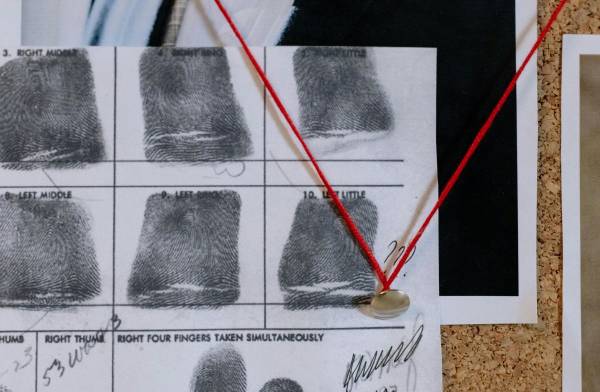
Facing a charge of sexual assault in Ontario can be overwhelming, especially if you’re unfamiliar with how trials work or what kinds of evidence the court will hear. Many accused individuals assume it’s simply a matter of “he said, she said,” but the reality is much more complex. In fact, sexual assault trials often involve a variety of evidence—from digital messages to forensic reports—all of which the court will carefully weigh.
In this blog, we break down the types of evidence that may be used in a Canadian sexual assault trial, what limitations apply, and how an experienced criminal defence lawyer can help you challenge unreliable or prejudicial information.
1. The Complainant’s Testimony
In nearly all sexual assault trials, the complainant’s testimony is central to the Crown’s case. This typically involves:
- A detailed account of the alleged incident,
- Information about the context or relationship,
- Statements given to police, or in some cases, prior testimony.
The credibility and reliability of the complainant are key factors. However, judges and juries are instructed not to assume guilt simply because an allegation has been made. The defence has the right to:
- Cross-examine the complainant,
- Point out inconsistencies or contradictions,
- Highlight any delays in reporting,
- Explore potential motives to fabricate or exaggerate.
Your defence lawyer’s ability to prepare an effective cross-examination is often the most important part of your case.
2. Digital Communications (Texts, Emails, Social Media)
Messages exchanged before or after the alleged incident may be used as evidence. This includes:
- Texts or emails between you and the complainant,
- Social media posts or messages,
- Messages to friends or third parties.
These communications can:
- Reveal consent or intent,
- Contradict the complainant’s version of events,
- Show continued friendly or romantic interaction after the alleged offence.
However, if these messages involve personal or sexual content, your lawyer will need to bring a Section 278.92 application to have them admitted. This ensures the court balances your right to a defence with the complainant’s right to privacy.
Important: Never delete or alter any messages after being charged. Preserve all relevant communications and consult a lawyer immediately.
3. Forensic and Medical Evidence
In some cases, the Crown may present:
- DNA evidence (from bodily fluids or objects),
- Injury reports or photos,
- Sexual Assault Nurse Examiner (SANE) reports.
While this evidence can be persuasive, it has limitations:
- DNA cannot prove non-consent—only that contact occurred.
- Medical evidence may show injuries but not who caused them or how.
Your defence lawyer may consult forensic experts to challenge:
- The methodology used,
- Chain of custody issues,
- Whether findings are consistent with consensual activity.
4. Third-Party Witnesses
The Crown may call:
- Friends or family of the complainant,
- People who were present before or after the alleged incident,
- Medical or mental health professionals (with judicial approval),
- Police officers who responded to the complaint.
The defence may also call witnesses to testify about:
- Your version of events,
- Your state of mind,
- Your relationship with the complainant.
If any of these witnesses have access to personal records (like counselling or therapy notes), those records are considered third-party records and require a separate motion under Section 278.3 of the Criminal Code.
5. Surveillance Footage and Location Data
In some cases, video footage or digital location tracking may be used to confirm:
- The presence or absence of the accused or complainant at a particular time or place,
- The sequence of movements before or after the alleged offence,
- Contradictions in either party’s timeline.
Examples include:
- Bar or street surveillance,
- Apartment building security footage,
- Ride-share logs or public transit tap-ins.
This type of evidence can be very helpful for the defence, especially in establishing alibi or casting doubt on the Crown’s timeline.
6. Police Notes and 911 Calls
The Crown may introduce:
- Audio recordings of emergency calls,
- Body-worn camera footage from responding officers,
- Written police notes and statements.
While this evidence may support the complainant’s version of events, your lawyer will examine it for:
- Delays or inconsistencies,
- Breaches of your Charter rights (e.g., unlawful arrest or denial of
- counsel),
Poor police procedure or investigative bias.
If your rights were violated, your lawyer can bring a Charter motion to exclude improperly obtained evidence under Section 24(2) of the Charter of Rights and Freedoms.
7. Rape Shield Protections (Sections 276 and 278)
Canadian law places strict limits on what the defence can say about:
- The complainant’s prior sexual history (Section 276),
- Their private records, like therapy notes or medical files (Section 278).
These laws are intended to prevent trials from turning into attacks on the complainant’s character. To use this type of evidence, the defence must bring a formal application and show that the evidence is:
- Relevant to a specific issue in the trial (e.g., consent),
- Not being used to support myths or stereotypes,
- Essential to the accused’s right to make full answer and defence.
Note: These applications are technical and time-sensitive. A defence lawyer who knows how to navigate them is crucial to preserving your right to present a full defence.
How a Defence Lawyer Challenges the Evidence
An experienced sexual assault lawyer will:
- File pretrial motions to exclude prejudicial or inadmissible evidence,
- Cross-examine witnesses on inconsistencies,
- Challenge the reliability of forensic findings,
- Contest the credibility of digital evidence (e.g., manipulated messages),
- Present alternative explanations or timelines,
- Raise reasonable doubt at every stage of the trial.
Ultimately, the Crown must prove guilt beyond a reasonable doubt. You do not have to prove your innocence—but you do need a strategic and informed legal defence.44
Conclusion: Know the Evidence, Defend Your Rights
Sexual assault trials are complex, emotional, and evidence-driven. Understanding what types of evidence are admissible—and how that evidence can be challenged—is the first step in building a strong defence.
If you’re under investigation or have been charged with sexual assault, contact an experienced criminal defence lawyer before speaking to police or appearing in court. Céline Dostaler, criminal lawyer in Ottawa, has years of experience handling sexual assault cases and will personally guide you through every step of the process.
Accused of sexual assault? Protect your future. Contact Céline Dostaler Today