Blog
Céline Dostaler
BDSM and Sexual Assault Law in Canada: Consent, Bodily Harm & Recent Cases
What Is BDSM and Why Legal Questions Arise
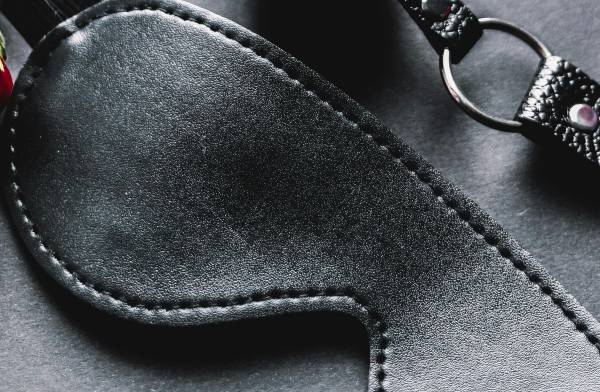
In Canada, BDSM (Bondage, Discipline, Dominance, Submission, Sadism, Masochism) is a part of consensual sexual practice for some. These practices involve consensual role-playing, which might include physical restraint (like bondage), sensory deprivation (e.g., blindfolds), and corporal activities (spanking, flogging). But the line between consensual BDSM and criminal conduct can be unclear.
Even though BDSM isn’t outlawed in general, Canadian law raises major red flags when bodily harm is involved—even with consent. That’s because causing non-trivial injury, no matter how minor it seems, can cross into criminal territory.
This article explains how Canadian criminal law treats consent and bodily harm in the context of BDSM. We’ll also review recent cases, including R. v. Pearson (2025), and foundational decisions, like R. v. Jobidon and R. v. J.A.
Section 1: Legal Basics—Consent & Bodily Harm in Canadian Law
R. v. Jobidon (1991): Consent Has Limits
In the Supreme Court’s landmark ruling R. v. Jobidon, the Court ruled that you can’t use consent as a defense if what you’re doing causes serious harm. This case involved a fistfight that went deadly—Jobidon punched someone until death. Even though the other person initially consented to the fight, the court determined that consent didn’t apply once bodily harm occurred.
What Counts as Bodily Harm?
In Canadian criminal law, “bodily harm” is defined in section 2 of the Criminal Code as:
“any hurt or injury to a person that interferes with the health or comfort of the person and that is more than merely transient or trifling in nature.”
This definition creates a very low threshold. The injury doesn’t have to be permanent, severe, or life-threatening—it only needs to go beyond something fleeting or insignificant.
- Bruises from impact can qualify. In R. v. McCraw, the Supreme Court confirmed that psychological or physical harm causing discomfort can meet the definition.
- Welts or red marks have been treated as bodily harm. In R. v. Chahal, the Alberta Court of Appeal addressed whether a red mark lasting a couple of hours could be considered bodily harm. The appellate court concluded it was not—calling it transient and trifling, and noting that equating such minor, short-lived marks with bodily harm would effectively erase the distinction between simple assault and assault causing bodily harm
Courts focus not just on the visible injury but also on whether the injury interfered with a person’s comfort—meaning it could make sleeping, moving, or normal activities more difficult.
Because the threshold is so low, many common BDSM activities that intentionally leave marks—no matter how consensual—can legally fall into the category of bodily harm. This is why, under R. v. Jobidon and R. v. Welch, consent may not be a valid defense if the activity causes these types of injuries, even in private and agreed-upon contexts.
Extending to Sexual Contexts: R. v. Welch & Beyond
Ontario courts extended Jobidon’s logic to sexual contexts in R. v. Welch, concluding that even consensual sexual activity that causes bodily harm cannot be legally defended by consent. The court found such acts degraded social norms and lacked “social utility”.
Section 2: Supreme Court of Canada Cases—Where Consent Ends
R. v. J.A. Consent Must Be Conscious
In R. v. J.A., the Supreme Court stated that consent for sexual activity must be given by someone with an operating mind. In this case, the complainant consented to being choked until unconscious—but then was sexually acted upon while unconscious. The Court ruled this was sexual assault, since unconscious people cannot consent—even if they consented earlier.
R. v. Ewanchuk : No “Implied Consent”
This landmark decision removed the idea of “implied consent” in sexual assault. The Supreme Court said explicit consent, communicated through words or actions, is mandatory—and failure to check consent removes any defense.
R. v. Hutchinson : Consent vitiated by deception
Here the Supreme Court upheld a conviction where the accused sabotaged a condom against the complainant’s expectation. The ruling confirmed that such deception vitiates consent under Canadian law.
Section 3: Current State—Is BDSM Practice Legal?
Legal Risk: Intentional Bodily Harm = Criminal Assault
In B.C. and Ontario, courts consistently rule that BDSM is only legal if no bodily harm is intended or occurs. Even minor injuries can result in sexual assault charges (with max penalties up to 14 years).
Recognizing the Gap Between Practice and the Law
Experts note many BDSM practices popular in private spaces may technically be illegal—since the law does not always align with consensual adult behavior, especially when harm is involved.
Section 4: Spotlight on a Recent Case—R. v. Pearson (2025)
A recent Ontario Superior Court case - R. v. Pearson - examines the limits of BDSM consent. It involved extreme acts such as caning, stapling, choking, and possible baseball-bat use. The court reaffirmed these are not legally shielded by consent, especially with bodily harm involved. The judge emphasized:
- Written contracts or advanced consent are not legally binding
- “No means no” isn’t replaceable with “no means yes” agreements
- BDSM boundaries are often judged conservatively by courts.
This case clarifies that, in Canada, even consensual BDSM that causes physical harm may lead to criminal liability—despite community practices.
Final Thoughts: The Legal Tightrope
- Consent is necessary but may not be sufficient when bodily harm is involved.
- Bodily harm, even minor, can lead to criminal sexual assault.
- Consent must be explicit, ongoing, and conscious—no implication, no advanced contracts.
- Courts more often interpret these laws conservatively, erring on the side of caution rather than permissiveness.
For anyone practicing BDSM in Canada—or even curious about it—it’s vital to understand these legal realities.
If you’re in Ottawa, Ontario and you’ve been charged with sexual assault in a BDSM context, reach out for legal help immediately. Understanding these laws can be confusing—but support is available. Schedule a consultation today so you can protect your rights and understand your options.